
Special Summer Offer!
WORKING WITH COMPLEX TRAUMA:
Untangling Somatic Wounds
Learn directly from Peter A. Levine, PhD and Dr. Diane Poole Heller…

Includes 5 Client-Demonstration Based Training Sessions + Q&A
- Hurry! Promotional pricing ends August 8, 2023

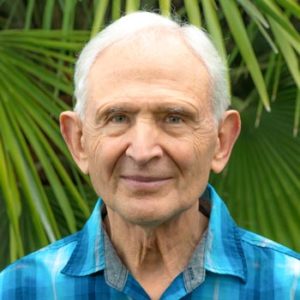
“I have come to the conclusion that human beings are born with an innate capacity to triumph over trauma. I believe not only that trauma is curable, but that the healing process can be a catalyst for profound awakening.”
Peter A. Levine, Ph.D

“When trauma hits us or we’ve experienced relational wounding, we can feel like we’re utterly disconnected. The good news is we can do something about it.”
Dr. Diane Poole Heller
When it comes to treating trauma, the path is almost never linear…
Imagine what it must feel like for your clients when their childhood complex trauma persists into adulthood––and becomes exacerbated by additional traumas or physical ailments.
Anxiety. Stress. Fear. Feelings of worthlessness, shame and guilt. Lack of trust. Problems controlling emotions. Aggression. Flashbacks. Avoidance. Dissociation. Substance misuse, dependence or abuse.
The list goes on and on.
The reality is that children who witness or experience traumatic events––of a prolonged, invasive, interpersonal nature, such as physical, emotional or sexual abuse or profound neglect––are at a high risk for developing many types of physical and mental illnesses later in life.
Research has demonstrated a strong correlation between adverse childhood experiences and harmful health conditions in adults.
That’s because complex trauma alters a child’s stress response, which further triggers autoimmune disorders and disrupts physiological functioning in the brain and body.
What’s more, younger children are less able to understand and process trauma, which means they often can’t verbalize what’s happening to them, so they’re more likely to manifest the trauma as physical symptoms or behavioral issues.
When this stress response or survival adaptation remains highly activated for an extended period of time––especially without the support and safety of a primary caregiver––it can also damage crucial neural connections and alter our ability to return to a regulated state, leading to long-term impairments in both physical and mental health.



As a mental health professional, you likely have clients with unresolved attachment injury who present with perplexing and somewhat elusive symptoms and chronic conditions.
But rather than focusing on the symptoms or behaviors themselves, it’s important to uncover the underlying attachment injury and complex trauma that’s at the root cause of the dysregulation.
It’s vital to have tools and techniques to help our clients feel better so they can begin to heal both physically and psychologically.
But what if our clients can’t remember or identify the trauma––or are unwilling or afraid to talk about it?
As therapists, how do we proceed when we need crucial (missing) information our clients can’t provide?
Luckily, the body communicates to us. We only need to learn how to listen to it.
Our role is to learn how to safely and gently move beyond this impasse and support the flow of healing.
By learning how to integrate somatic tools and strategies with other modalities, you can tune-in to the physical signals that hide in plain sight, release stored trauma and provide relief from suffering so your clients can live fully in the present and be free of their past.
Working with Complex Trauma:
Untangling Somatic Wounds
In this self-paced, on-demand training, you’ll learn how to…
- Assess when a client is “stuck” in the fight, flight or freeze response that keeps them from releasing trauma.
- Explore the primary attachment wound––and build a supportive, nurturing bridge between the adult self and the wounded child.
- Tackle both the psychological and physical symptoms of trauma by releasing trauma that’s stored in the body.
- Help clients move beyond “top-down” cognitive processing using “bottom-up” techniques and exercises that connect any emotion, image, behavior, movement or thought to its partner in sensation.
- Build your client’s confidence in tolerating uncomfortable feelings as they move through and dissipate them.
- Integrate clinical somatic tools and techniques with existing modalities to resolve fixated physiological states quickly and effectively.
- Deepen your client’s ability to receive contact in order to strengthen embodiment and presence.
- Transform the wounds of emotional and early developmental trauma into healing, fulfillment and connection.
- Support clients in their healing process, so they can feel a greater sense of connection, safety and bodily ease.
- Teach clients how to listen to the signals of their body (including pain, discomfort or imbalance) to calm the nervous system and access information about the ways they hold traumatic experiences in their body.
An $897 value. Now yours for just $167!
Hurry! Promotional pricing ends August 8, 2023
HERE’S WHAT’S COVERED IN THIS 5-SESSION COURSE
Watch & learn directly from Dr. Levine as he demonstrates somatic tools and techniques that release complex trauma stored in the body.
Skills to Uncover Primary Attachment Wounds That Persist Into Adulthood
People who experience attachment trauma like neglect, abandonment, abuse or loss often struggle emotionally, socially and physically into adulthood. Disruption of the attachment bond can lead to insecure attachment patterning, which can present in wide-ranging syndromes and maladaptive behaviors.
Throughout this course, Dr. Heller and Dr. Levine examine why attachment injury is inherent to all complex trauma. You’ll learn how to better recognize and identify insecure attachment adaptations (stress responses)—and how trauma stored in the body can be released using somatic tools and techniques to restore secure attachment and promote post-traumatic growth and resilience.

Identify & Differentiate Symptoms Connected to Complex Trauma
Examine the nuances and relationship between attachment injury and shock trauma—and what happens when they combine or intertwine. We’ll discuss why people who have developmental trauma are more susceptible to PTSR and present with a wide variety of (attributable and non-attributable) symptoms.
By reviewing and de-briefing client demonstration sessions, Dr. Levine illustrates how to uncover and work with attachment injury that affects the autonomic nervous system. He’ll show you exactly what to watch for and track in the body, so you can detect shifts in the ANS as you apply safe and effective techniques that provide relief to alleviate pain and suffering.
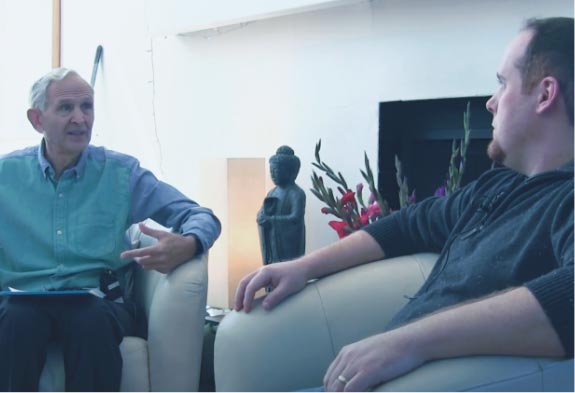
How Down Regulation of the Stress Response Promotes Healing & Resilience
Explore how attachment injury embedded in complex trauma persists into adulthood as the perception of threat activates the sympathetic nervous system and triggers an acute stress response that prepares the body to fight, flee or freeze. By listening to the signals of the body, it’s possible to calm the nervous system and strengthen a sense of safety that promotes healing and resilience.
Dr. Levine personally guides our exploration into the connection between complex trauma and body sensations, showing you how to help clients develop presence, awareness and “curiosity” around uncomfortable thoughts and feelings in order to release stored trauma and transform emotional wounds into healing and connection.
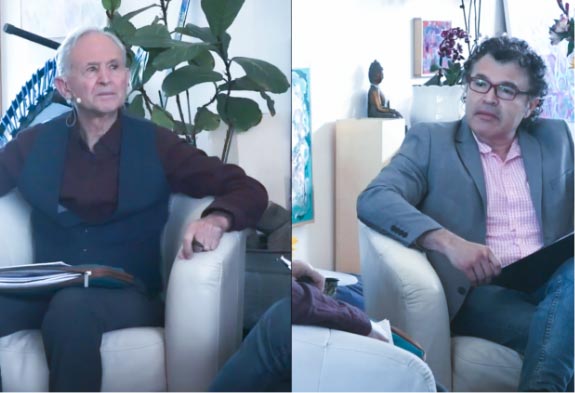
Learn Strategies to Strengthen Attunement & Prevent Re-Traumatization
As therapists, it is essential to learn how to work with complex trauma without further activating the body’s innate stress response.
Through these in-depth client demonstrations, Dr. Levine will show you how to refine your perceptual skills and develop the confidence to help resolve decades-old wounds while embodying a sense of safety and connection.
He’ll share many of his somatic tools and techniques, including crucial methods like titration and pendulation that teach clients how to listen to their body and become less fearful as they begin to find relief from pain and suffering to heal wounds from the past while remaining fully in the present.
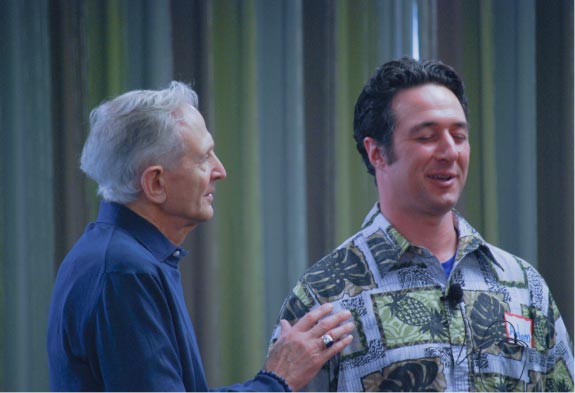
Integrate Clinical Tools and Techniques With Existing Modalities.
We’ll go beyond theory and operationalize information, so you can apply practical processes and therapeutic interventions to clinical sessions easily and effectively.
Learn directly from Dr. Levine, as he illustrates how to get to the root of trauma and help clients find relief as they reconnect with their body’s innate sense of safety, resilience, vitality and health.
Gain the knowledge, skills and confidence to help clients emerge from a protective “layer” of syndromes, self-destructive thoughts and unhealthy behaviors—so that you’re better equipped to support healing from both psychological and physiological pain.
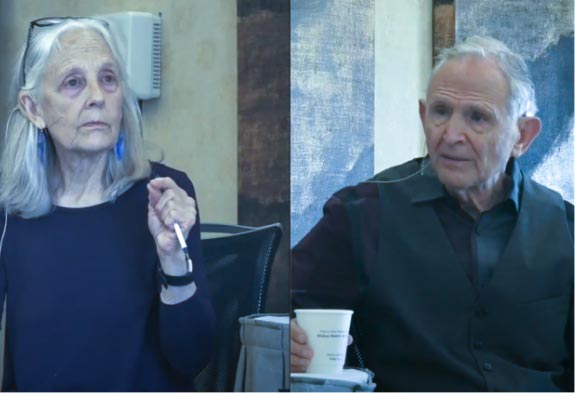
Don’t miss this chance to learn from the world’s leading expert in the Somatic Experiencing approach.
Now only $167! Get immediate access to the course training materials!
—Summer Sale! Just $167—
WORKING WITH COMPLEX TRAUMA:
Untangling Somatic Wounds
A 5-session self-paced, on-demand course
led by Peter A. Levine, PhD and Dr. Diane Poole Heller
Help your clients heal from the past and find their way towards fulfillment, hope and connection
What You Get For Only $167…
Five 90-minute On-Demand Demo-Based Training Sessions
Including Q&A with Dr. Levine and Dr. Diane Poole Heller
Each 90-minute self-paced session includes core teaching, real client demos (with thorough explanations of techniques by Dr. Levine), practice exercises, and corrective techniques you can implement to your own therapeutic sessions.
Watch, learn and get answers about trauma and somatic practices, directly from both Dr. Levine and Dr. Heller.
- Session 1: Honoring Your Younger Self
- Session 2: Untangling the Panic (Threat) Sequence
- Session 3: Overcoming Long-Term Violence
- Session 4: Moving Towards the Authentic Self
- Session 5: Early Developmental Connection to Chronic Pain

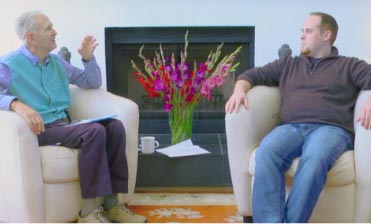
Client Demos + Discussion Led by Dr. Levine & Dr. Heller
Includes five, on-demand sessions that include teaching, real client demos with debriefs (to identify techniques and explain the work in action)—and over 30 minutes of Q&A discussions per session.
Learn online—or download the recorded training to watch on-the-go. Includes practical exercises that reinforce concepts and help you integrate somatic skills and techniques with other modalities more easily.

Learn Practical Clinical Skills, Tools & Somatic Techniques
Broaden your skills and learn new somatic techniques that you can apply immediately to your therapeutic sessions with clients.
Join an engaged and encouraging online community where new and experienced practitioners discover how to integrate the mind, body and emotions to restore an embodied presence and set the stage for growth and fulfillment.

Lifetime Access to Video, Audio, Transcripts & Bonus Resources
The training material is available in video, audio and written format—so you’ll be able to download content to your own personal learning library.
If you miss a training session, want to watch the demos at a later date—or want to come back to review the material again—you’ll be able to do so at any time.
PLUS you’ll also get these SPECIAL COURSE BONUSES!
BONUS #1
Two Video Client Demonstrations with Dr. Diane Poole Heller
In 3+ hours of video training, Dr. Diane Poole Heller presents two additional client case examples, where she shares additional therapeutic tools and techniques you can use to address complex trauma.
Dr. Heller presents actual client sessions—pausing to highlight and debrief the techniques action––so that you can see how to apply concepts and methods to your own clinical sessions.
Includes:

- “Melinda” who works through right-sided boundary ruptures that result from a series of car accidents, a violent physical attack and a fall—which are all over-coupled and bound by fear and helplessness. Watch as becomes empowered to regulate her stress response and reduce her dissociation and feelings of shame.
- “Susan” who exhibits a paralyzing freeze response as she attempts to sell her home after her husband’s death from a long-term illness. Watch as she acknowledges and begins to process her experiences to recapture a sense of safety, hope and connection.
BONUS #2
Expert Spotlight Training: Working With Attachment Injury Embedded in Complex Trauma
In this 90-minute recording of an expert spotlight session with Dr. Levine, you’ll explore why attachment injury is inherent to all complex trauma and what happens to our bodies (and emotions) when the fight, flight, freeze or fawn threat response from the past persists into adulthood.
Dr. Levine highlights some key tools and body-based interventions you can use to help clients find relief and support healing. You’ll also get a quick lesson in how to recognize and identify insecure attachment patterning.

- You’ll also get the Threat Response Sequence infographic, an easy-to-understand visual guide that shows you what happens to our brain and body when you experience trauma. It’s a great tool to use yourself—or share with clients to help them understand the symptoms and triggers of unresolved trauma.
- New to Somatic Experiencing®? Start with the Introduction to Somatic Experiencing® (an article by Peter A. Levine, PhD) that gives you a quick overview of the principles, approach and terms that will be covered by Dr. Levine in the course. And even if you’re an experienced practitioner, you may find this article to be a helpful refresher on the therapeutic process and techniques that Dr. Levine will demonstrate throughout the course.
Don’t miss this exclusive training again!
Buy now and get immediate access!
- Promotional pricing ends August 8, 2023. All sales final.
Have a question or need help completing your purchase?
Contact our Customer Support Team for assistance.
*Taking this program does not replace the 8-module training through Somatic Experiencing® to be “SE Trained.” This program ensures you will be “SE Informed.”
More Details on the Training Curriculum
SESSION 1:
Honoring Your Younger Self
In this demonstration session, Dr. Levine works with a woman, Antoinette, with a long-history of addiction and self-destructive behaviors. Her past experiences includes racial and developmental trauma––including shame and rejection over having white skin and red hair as a half-Hispanic child. As an outcast, she grew up in severe poverty, often neglected by both parents who not only abused hard substances, but also left her to fend for herself in dangerous situations.
Dr. Levine guides us through various somatic techniques, including pendulation and running flight to demonstrate how to help clients access the physiological awareness of the felt sense of safety in the body. He’ll also present ways to navigate and assess the body’s defensive responses.
- Discover how to connect any emotion, image, behavior, movement or thought to its partner (bodily) sensation.
- Learn how to initiate and complete defense (threat) responses to help clients transition out of shame, negative self-talk and other unproductive coping mechanisms.
- Explore interconnectedness as a deeper spiritual level of trauma (through avenues such as poetry and art).
- See why it’s important to celebrate the client’s sense of control and self-efficacy as they renegotiate trauma.


SESSION 2:
Untangling the Panic Sequence
Dr. Levine works with a man, Patrick, who experienced an emergency while working underwater on a Navy subsurface platform, in which he had to resurface too quickly. After the incident, he began to experience recurring heart palpitations and ear popping—a physiological response that triggered deeper, early trauma. He struggles with agoraphobia, major depression, OCD and panic attacks.
In this session, Dr. Levine will demonstrate how to work with sound, the diaphragm and movement to identify unresolved trauma in the body and support shifts in the autonomic nervous system, which can help regulate the system and ease symptoms caused by past trauma.
- Define the panic sequence and how it plays out in the physiology of the body.
- Learn how to track the parasympathetic and sympathetic nervous system for signs that indicate dysregulation.
- Recognize when your client is stuck in a threat response and practice the pattern of interrupt as a pacing tool.
- Apply somatic exercises that connect a client to their inner power as a healthy form of aggression.
SESSION 3:
Overcoming Long-Term Violence
In this session, Dr. Levine works with John, a man who endured emotional abuse and violence at the hands of a paranoid schizophrenic father. After a divorce, his mother had a string of boyfriends who were also physically abusive. Throughout his childhood, John suffered from bullying and assaults (in his household, neighborhood and school).
He struggles with poor health, panic attacks, night terrors, insomnia, financial hardship and suicidal intent.
Dr. Levine guides us through various somatic techniques, including resourcing, pendulation and body tracking, to demonstrate how to help clients gain awareness of the critical role unresolved trauma plays in the manifestation of various symptoms. He’ll also present tools to address trauma without re-activating or over-activating clients.
- Orient clients to sense presence—both internally and externally—without experience overwhelm.
- Explore sound and movement as a way to shift a nervous system state from a freeze response to awareness and presence.
- Recognize when a client is dissociating from their trauma and learn new ways to empower them towards trauma resolution.
- Help clients increase their tolerance for pleasure, joy and contact nourishment that strengthens embodiment and presence.


SESSION 4:
Moving Towards the Authentic Self
Dr. Levine works with Becky, who was born to a 15 year-old mother. At just 1 week old, she was put in a foster home and then adopted. At only 3 weeks, she had a tonsillectomy followed by an episode at 4 months, where she was hospitalized after she stopped breathing. Throughout her early childhood and teens, Becky struggled to connect to her anxious, rigid, adopted mother.
As an adult, Becky still struggles with medical issues, longs for connection and experiences profound ambivalence about being alive.
In this session, Dr. Levine will demonstrate how to build a supportive, understanding and nurturing bridge between the adult self and the wounded child to resolve attachment trauma and reduce chronic pain.
- Explore how primary attachment wounds and pre-verbal interventions combine into symptoms of complex trauma.
- Develop clinical skills that allow you to be more comfortable with your client’s rage an intense emotions.
- Learn how to use impulse to track sensations in the body regardless of what’s happening in the client’s experience (or lack of experience).
- Integrate somatic skills and theatrical techniques to help clients more comfortably express vulnerability, sadness and anger.
SESSION 5:
Early Developmental Connection to Early Pain
In this module, Dr. Levine works with Vanessa, a woman who suffered significant medical trauma as a child, including a near-death experience (as a stillborn by caesarean), cardiac arrest, chronic asthma and a near-drowning as a teen. Her childhood history also includes domestic violence and neglect in the home.
As an adult, Vanessa repeated family patterns by marrying an abuser. At the time of the session, she presented with insomnia, fibromyalgia symptoms and chronic crushing pain in her thoracic spine accompanied by the feeling of a knot at the back of her heart.
Dr. Levine will guide us through various somatic techniques, including titration, orienting and shifting sensations to show us how to integrate somatic techniques that provide effective relief from chronic pain.
- Connect to developmental trauma, so you can support the inner child and younger self.
- Develop clinical skills that allow you to be more comfortable with your client’s range of intense emotions.
- Notice tension patterns and use focused touch work as you support curiosity when trauma healing unfolds organically.
- Shift anger in a titrated way towards a sense of power and peace, so that it does not cause harm to others in your client’s life.

What students say about this training…
“This was such a fantastic experience. Thank you so much Peter and Diane! As a body-focused Gestalt therapist, this knowledge is pure gold and it was an honor to witness your work in session Peter! I absolutely loved the course with the demos!”
—Lea F.
“This was incredible, Peter and Diane. Life changing. Amazing to see you work with clients, Peter. I’ve never seen a therapist with so much compassion, wisdom and authentic love for his clients.”
—Carl A.
“I loved the course… I learned so many things… even some that I never had in the SEP Training. The last demo really touched into my own journey with chronic pain and early developmental trauma. So, so much gratitude.”
—Fabricio C.
“The course has opened me up to a new way of seeing. I have been feeling stuck in my work with a couple of clients—and my learning experience in the course is going to help for certain.”
—Martin M.
“Thank you so much for offering this course to ALL kinds of practitioners. It has been a true joy and gift to watch both Peter and Diane work and interact. Very helpful and affirming. Thank you too for allowing us lifetime access to the material. You’re wonderful!”
—Laura M.
“Absolutely priceless! I am very excited to learn more as it has really validated my intuition in my own work with clients through equine somatic therapy.”
—Cassandra O.
“Wonderful to get some more Peter ‘magic.’ I really appreciated the sessions last year and this has been equally valuable. I’m qualifying as an SEP in April and feel so much gratitude for this work.”
—Fiona S.
“I just looooved it! Thank you. I’m not an SE student, but I’ve learned so much—first for myself, and later on for others as well.”
—Andrea B.
Frequently Asked Questions
How can we help you decide?
While most people who join the program are both novice and experienced practitioners, we do sometimes have non-therapists join us as we explore in-depth topics.
Due to the sensitive nature of this particular course, however, we highly encourage non-therapists who choose to join us to have therapeutic support in place should the material become activating.
Please note that the material covered in this course is not meant as a substitute for therapy. And if you are currently working with a mental health professional, we encourage you to invite them to join this program with you as well.
You’ll have lifetime access to ALL training materials, including videos, transcripts, worksheets, demos and BONUSES too. You may also download, print or save materials at any time to your professional reference library.
Taking this program does not replace the 8-module training through Somatic ExperiencingⓇ to be “SE Trained.” This program ensures you will be “SE Informed.”
All sessions were previously recorded live in January, 2023—including the Q&A portion.
This re-issued training includes recordings of all five, 90-minute sessions––plus— client demos, audio recordings, written transcripts, complementary resources and exclusive course bonuses. All of the training is on-demand, so you can learn at your own pace or revisit sessions more than once.
Continuing Education (CE) credits are not available at this time.
We’re confident this program will be a valuable investment in your education, personal growth and clinical practice. Because this is a re-issue of previous training (at a special promotional price) and course materials are downloadable, all sales are final.
If you have further questions, do not hesitate to reach out to our friendly Customer Support Team for help.
Don’t miss this exclusive training again!
Buy now and get immediate access!
- Promotional pricing ends August 8, 2023. All sales final.
Have a question or need help completing your purchase?
Contact our Customer Support Team for assistance.
*Taking this program does not replace the 8-module training through Somatic Experiencing® to be “SE Trained.” This program ensures you will be “SE Informed.”
About Your Instructors
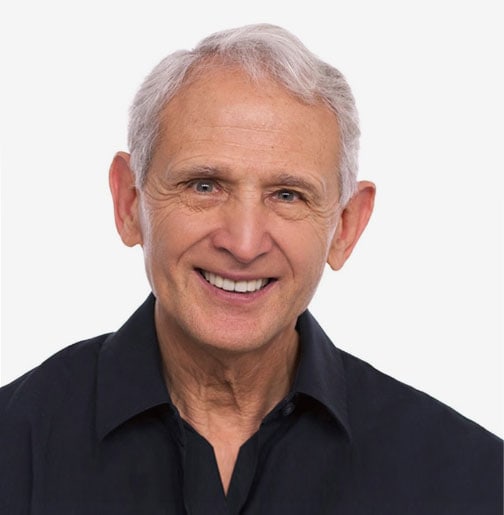
Our physiology convinces us of our emotions. The very foundation of a healthy psyche and body––our capacity to feel safe––is undermined by the foe of trauma. If our bodies are stuck in survival mode, our emotions and feelings turn our attentions obsessively toward seeking safety.
Peter A Levine, PhD, is the developer of Somatic ExperiencingⓇ, a naturalistic and neurobiological approach to healing trauma, which he has developed over the past 50 years.
He is the Founder of the Somatic Experiencing® Trauma Institute/Foundation for Human Enrichment and the Founder and President of the Ergos Institute of Somatic Education™. His work has been taught to over 50,000 therapists in over 45 countries.
Dr. Levine served as a stress consultant for NASA in the early space shuttle development and has served on the American Psychological Association task force for responding to the trauma of large-scale disasters and ethno-political warfare.
He holds doctorates in both Biophysics and Psychology and is the author of several best-selling books on trauma, including Waking the Tiger, which is published in over 29 languages. He is currently a Senior Fellow and consultant at The Meadows Addiction and Trauma Treatment Center in Wickenburg, Arizona and continues to teach trauma healing workshops internationally.
The type of regulating environment we receive as young children influences how we see the world and interact with others for our entire life. Even if our childhood is less than ideal, we can heal and change. But we can’t do it alone. We need other people.

Diane Poole Heller PhD, is an internationally recognized speaker, author, and teaching expert in the field of adult attachment theory and trauma resolution.
Her signature approach—DARe (Dynamic Attachment Re-patterning experience)—provides therapists and individuals with relevant skills and practical exercises that facilitate healing from attachment and trauma wounds.
Through various training programs, books, lectures and her own work as a clinical therapist, Dr. Heller has helped a countless number of people in their healing journey towards experiencing greater intimacy, wholeness and more fulfilling relationships.
She believes that when we heal ourselves first, we heal our families, our communities and the world as a whole.