MASTERCLASS REPLAY
Wired for Connection
The Attachment Roots of Addiction
Explore how early attachment experiences can shape addictive and compulsive behaviors—and how healing begins by restoring connection with ourselves, with others, and with something larger.
Featuring Rose Viggiano and Dr. Diane Poole Heller
Our next program starts on August 5, 2026
Scroll down for more info...
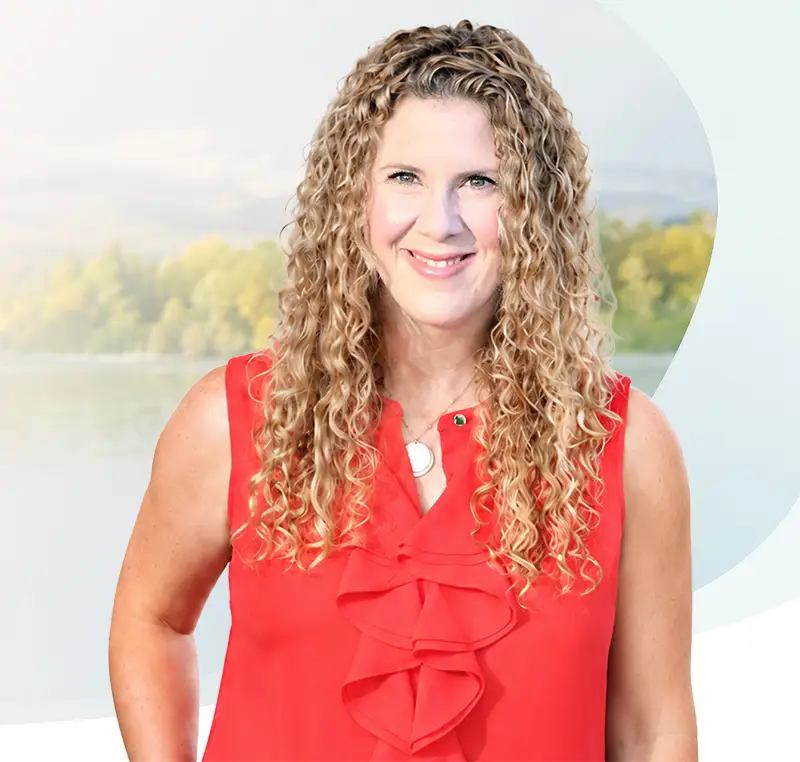
Join Rose Viggiano LIVE
The Search for Connection
Healing the Roots of Addictive Behaviors
Discover how attachment wounds, trauma, and disconnection can shape addictive and compulsive patterns—and learn a compassionate framework for finding your way back to connection.
Starts Aug 5, 2026
3 Training Sessions
Only
$79
Recordings Included
Bonuses included
Why Do We Keep Returning to Behaviors We Know Are Hurting Us?


We understand the consequences.
We promise ourselves that this time will be different.
We try harder, set stricter rules, gain more insight, or remove the temptation.
And yet, the pattern returns.
It may involve alcohol or drugs.
But it may also involve food, work, spending, sex, relationships, codependency, perfectionism, technology, or another behavior that provides temporary relief while creating longer-term pain.
When this happens, it is easy to assume that something is wrong with us.
That we are weak, undisciplined, or somehow broken.
But addictive and compulsive patterns cannot always be understood through willpower alone.
For many people, the behavior has also become a way to regulate distress, avoid overwhelming feelings, create a sense of control, feel briefly alive, or substitute for safety and connection that are difficult to access elsewhere.
The consequences may be painful now.
But the strategy may have begun as an intelligent attempt to survive.

Join Rose Viggiano live to understand what lies beneath these patterns and begin building a more compassionate path back to connection.
What If the Behavior Is Only Part of the Story?

Our earliest relationships help shape the nervous system’s expectations about connection.
Can other people be trusted?
Will someone respond when we are distressed?
Is it safe to need support?
Will closeness comfort us—or overwhelm us?
When early connection is inconsistent, unavailable, intrusive, or frightening, we adapt.
Some people become highly alert to rejection and abandonment, while others suppress their needs, withdraw, or learn to rely entirely on themselves. Some others alternate between longing for connection and fearing it.
These attachment patterns influence more than our relationships.
They also affect what we reach for when we feel lonely, ashamed, frightened, overwhelmed, numb, or disconnected.
A substance can create temporary calm.
A relationship can offer reassurance or belonging.
Work, food, spending, technology, or perfectionism can provide control, distraction, stimulation, or relief.
The specific behavior varies.
But underneath it may be a deeply human search for safety, regulation, connection, or meaning.


A Different Question Can Open a Different Path
Instead of asking only:
“Why can’t I stop?”
This course invites you to explore:
“What has this behavior been trying to do for me?”
“What pain am I trying to soothe or escape?”
“What kind of connection am I searching for—or protecting myself from?”
“What would help me meet that need in a safer and more sustainable way?”
These questions do not excuse harmful behavior or erase its consequences.
They help us understand the conditions that keep a pattern in place.
And understanding those conditions can create more room for compassion, responsibility, and meaningful change.
A Path Toward Reconnection
In this three-part live workshop, attachment-focused practitioner Rose Viggiano will guide you through a practical framework for understanding addictive and compulsive behavior through the combined lenses of attachment, developmental trauma, nervous system regulation, relationships, and recovery.
Drawing on professional training and nearly 25 years of lived recovery experience, Rose offers an approach that is both clinically informed and deeply human.

This Course Is Not About Labeling You
You do not need to call yourself an addict.
You do not need to disclose your history.
And you do not need to decide in advance whether your behavior fits a particular diagnosis.
This course is an invitation to become more curious about patterns that feel difficult to change.
To understand where they may have come from.
To consider what they have been doing for you.
And to begin identifying what genuine support and connection could look like now.

What Makes This Workshop Different?
Rather than focusing on behavior alone, this workshop brings several essential dimensions of addictive and compulsive patterns into one integrated framework. Here’s what sets this approach apart.
-
Go Beneath the Behavior
Many approaches focus primarily on eliminating or controlling the unwanted behavior. That work can be essential, but it may not fully address the need the behavior has been serving. This course helps you look beneath the pattern and understand the attachment wounds, nervous system states, family dynamics, shame, and unmet needs that may be sustaining it. -
Move Beyond Shame and Personal Failure
Shame often promises to motivate change. In practice, it frequently drives more secrecy, isolation, emotional distress, and compulsive coping. Rose will help you reframe these patterns as protective strategies that may no longer serve you, without denying their consequences or the need for responsibility. This shift creates space for curiosity, self-compassion, and more deliberate choices. -
Understand Addiction in Its Wider Landscape
This course is not limited to alcohol or drug use. You’ll explore how the same underlying dynamics can appear through:
- Food and comfort behaviors
- Work and compulsive productivity
- Spending and shopping
- Technology and scrolling
- Sex, love, and relationships
- Codependency and over-functioning
- Perfectionism and chronic self-criticism
- Other patterns that continue despite unwanted consequences
None of these behaviors, by itself, means someone has an addiction.
The course offers a framework for examining when a behavior has become difficult to control, increasingly costly, or central to the way distress is managed.
-
Connect Attachment, Trauma, and the Nervous System
Addictive patterns do not exist only in thought. They can be reinforced by the nervous system, the brain’s reward pathways, developmental trauma, dissociation, shame, loneliness, and relational patterns. You’ll learn how these elements interact—and why insight alone may not be enough to change a pattern that has become biologically, emotionally, and relationally reinforced. -
Find a Practical Path Toward Reconnection
This course does not promise a quick cure.
It offers a roadmap.
Rose will introduce three directions of reconnection that can support healing:
Connection with yourself
Learning to recognize your feelings, needs, wounded parts, and protective strategies with greater awareness and compassion.
Connection with others
Developing safer relationships, co-regulation, community, healthy boundaries, and experiences of earned security.
Connection with something larger
Finding meaning through spirituality, mindfulness, nature, service, purpose, recovery communities, or a deeper relationship with life.
—All-New Online Training Now Open—
The Search for Connection
Healing the Roots of Addictive Behaviors
A three-part LIVE workshop beginning August 5, 2026
Understand what lies beneath addictive and compulsive behavior—and begin building the forms of connection that support sustainable healing.
Here’s What You Get For Only $79…
Three 90-Minute LIVE and Interactive Classes with Rose Viggiano
Including Q&A with Rose Viggiano — Valued at $786
Across three live online sessions, Rose will guide you from the origins of disconnection to the coping patterns that develop in response—and finally toward a compassionate path home.
The series combines:
- Attachment theory
- Developmental trauma
- Addiction science
- Nervous system education
- Somatic and experiential practices
- Family-of-origin understanding
- Relational healing
- Recovery resources and next steps
Each session includes live teaching, practical reflection, experiential exercises, and time for Q&A.

Every addiction, compulsion, and every coping mechanism is — at its heart — a substitute connection for the real connection that was missing.

Experiential Exercises to Help the Learning Land
Understanding a pattern intellectually is not the same as experiencing a new response.
Rose will guide you through attachment-informed and somatic exercises designed to help you observe your inner system, practice self-connection, and begin experiencing safety and support in a more embodied way.

After-Class Group Breakouts for Reflection and Integration
After each class, you’ll have the opportunity to connect with fellow participants through guided breakout discussions.
These optional conversations are designed to help you reflect on the teaching, explore the provided prompts, and deepen the learning through shared inquiry.

Lifetime Access to Video, Audio, Transcripts & Bonuses
Every live session is recorded and available in video, audio, and transcript format within your personal library.
If you miss a session or want to revisit demos or group exercises, you can access the materials anytime at your convenience.
PLUS you’ll also get these SPECIAL COURSE BONUSES!

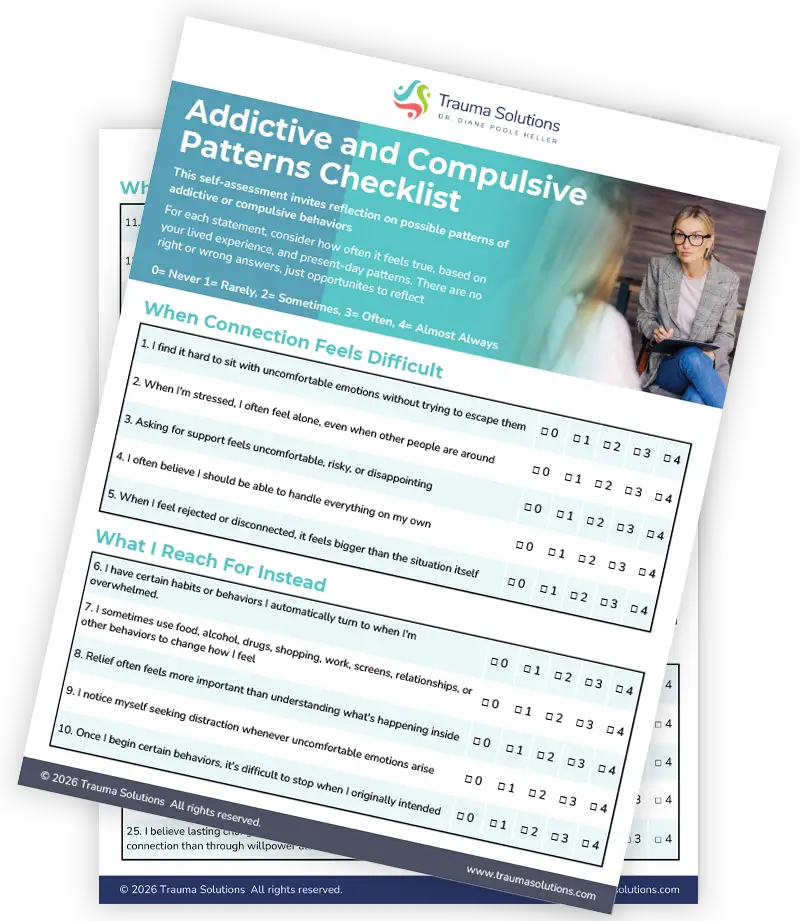
BONUS #1 Addictive and Compulsive Patterns Checklist
Addictive patterns are not always easy to recognize.
They can hide inside socially accepted behaviors such as working, exercising, caring for others, staying productive, or remaining constantly connected through technology.
This reflective checklist will help you consider:
- Which behaviors have become difficult to control
- What feelings or situations tend to trigger them
- Whether they offer short-term relief but create longer-term consequences
- What underlying need the pattern may be attempting to meet
- Whether additional support may be appropriate
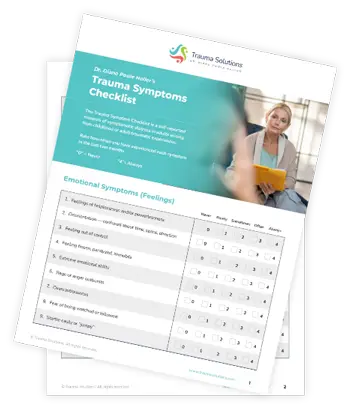
BONUS #2 Trauma Symptoms Checklist
Trauma can affect thoughts, emotions, relationships, behavior, and the body.
This educational checklist will help you notice possible trauma-related patterns and identify areas you may wish to discuss with a qualified therapist, medical provider, or other support professional.
Available in print, download, or digitally as a fillable PDF, you can assess a client’s status before, during, and after treatment. Great for incorporating into session notes and streamlining report creation!
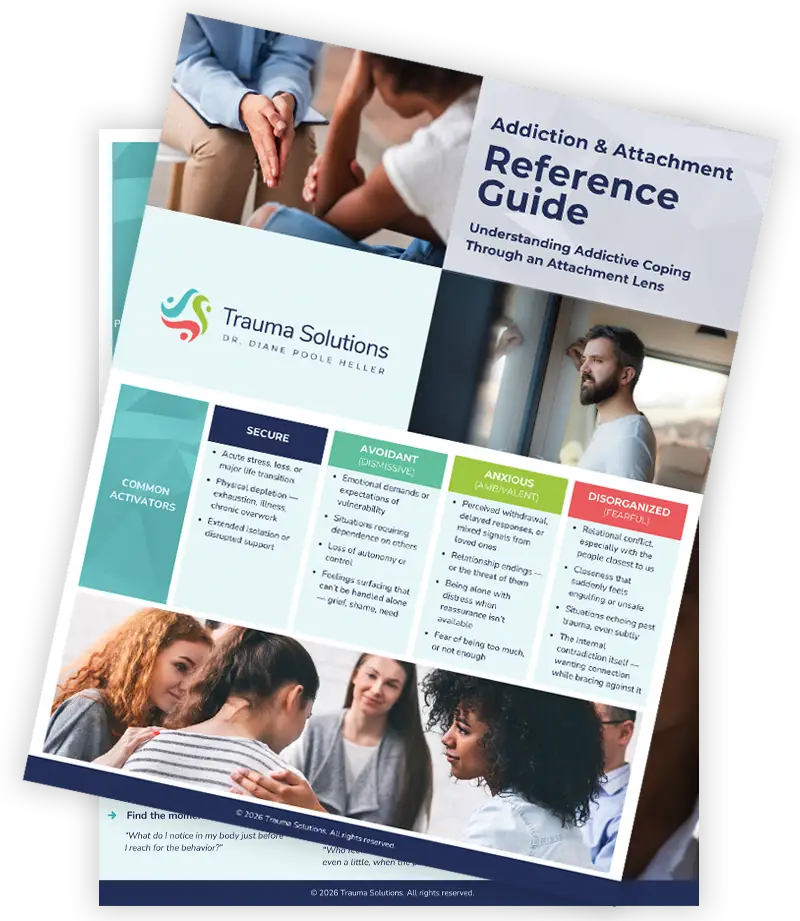
Bonus #3: Addiction and Attachment Reference Guide
Explore how attachment styles influence the ways we reach for connection, while shaping the behaviors we turn to when it isn’t available. This easy-to-use guide helps you recognize compulsive patterns and provides guidance for compassionately addressing them.
Learn what commonly activates each attachment pattern and what different coping behaviors may be trying to provide. Compassionate reflection questions help you identify underlying needs and begin building safer, more supportive ways to regulate.
Save Your Spot in the Live Workshop
Join Rose Viggiano for three live and interactive classes featuring teaching, experiential exercises, practical guidance, and Q&A.

All for only
$79
(One-time payment with lifetime access!)
- Three LIVE 90-minute training sessions
- An integrated framework connecting attachment, trauma, and addiction
- Experiential exercises and practical tools for moving from shame toward reconnection
- Private Course Portal with Downloadable Access to Video Recordings, Audio and Transcripts
- No-Risk 100% Money-Back Guarantee
Can’t attend live? All training is recorded and available in your learning portal.
This is the only time this training will be offered live—secure your seat today!

You’re protected by our 100% Satisfaction Guarantee
We’re confident this program will be a valuable investment in your education and clinical practice.
Try The Search for Connection: Healing the Roots of Addictive Behaviors workshop 100% risk-free.
If you don’t feel this training meets your needs, contact our friendly Customer Support Team within 5 days of the first class, on or before Monday, August 10, 2026, for a full refund, no questions asked.
“The behavior may be costly now. But it often began as an attempt to find relief, protection, or connection.”
Here’s What You’ll Learn in Each Live Session
Led by Rose Viggiano, attachment-focused practitioner, educator, and coach with nearly 25 years of lived recovery experience.
All live sessions meet online from 5–6:30 pm Mountain Time.

All LIVE sessions meet online for two hours

Session 1: Wednesday, August 5, 2026 @ 5–6:30 pm MT
The Roots: How We Got Cut Off
Addictive patterns rarely begin with the substance or behavior itself.
They often begin much earlier, as the nervous system adapts to inconsistent, overwhelming, absent, or frightening connection.
In this foundational class, Rose will explore how childhood attachment wounds and developmental trauma can create vulnerability to compulsive coping later in life.
You’ll examine how each insecure attachment pattern represents a distinct form of disconnection—and how these patterns may appear in the body through activation, suppression, or movement between the two.
You’ll also explore family-of-origin roles, intergenerational trauma, and the inner system Rose describes through the Wounded Child, Adaptive Child, and Wise Adult.

Session 2: Wednesday, August 12, 2026 @ 5–6:30 pm MT
The Map: What We Reach for Instead
Why does one person seek relief through a relationship while another turns toward work, substances, food, technology, control, or withdrawal?
Attachment style does not predict a particular addiction, and no behavior can be explained by attachment alone.
But attachment patterns can offer useful clues about the kind of relief, protection, regulation, or connection a person is seeking.
In this session, Rose will help you map the cycle from attachment rupture and emotional pain to substitute connection and compulsive behavior.
You’ll explore the neurobiology of the addiction cycle, the roles of shame and denial, nervous system states, dissociation, and the deeper longing for connection or meaning that can sit beneath the behavior.

Session 3: Wednesday, August 19, 2026 @ 5–6:30 pm MT
The Path Home: Coming Back to Connection
The final class focuses on healing.
Rose will explore what different attachment patterns may need in order to move toward greater security—and how change develops through repeated experiences of self-compassion, co-regulation, healthy relationship, community, and appropriate care.
You’ll examine judgment and agenda as two major barriers to connection: judgment disconnecting us from ourselves, and agenda disrupting our ability to relate openly to others.
You’ll also receive an overview of the continuum of care, from outpatient support and attachment-focused therapy to recovery communities and more intensive treatment when needed.
The series concludes with recovery as three-way reconnection: with yourself, with others, and with something larger.

A total value of $786, this live and immersive training is available for just $79
Enrollment is open until August 4, 2026
Who Should Join Us?
Don’t miss your chance to learn directly from Rose Viggiano!


-
Individuals Exploring Their Own Addictive or Compulsive Patterns
You may be questioning your relationship with substances, food, technology, spending, work, sex, perfectionism, productivity, or another behavior that has become difficult to change. This course offers a compassionate framework for looking beneath the behavior without minimizing its impact. -
Loved Ones of Someone Who Is Struggling
You may feel confused, responsible, exhausted, or helpless. You may find yourself rescuing, monitoring, controlling, over-functioning, or organizing your life around another person’s behavior. This course will help you understand how codependency can arise from its own attachment wounds—and why your healing, needs, and boundaries matter too. -
Therapists and Mental Health Professionals
You may work with clients who repeatedly return to addictive or self-defeating behaviors despite insight and therapeutic progress. You’ll gain an integrated framework connecting attachment, trauma, nervous system regulation, shame, relationships, codependency, and addiction. This is an educational workshop and does not constitute formal addiction-treatment certification. -
Coaches, Healers, Clergy, and Helping Professionals
If you support people struggling with recurring behaviors, relationship patterns, shame, emotional dysregulation, or recovery, this course can offer a clearer lens for understanding what may be happening beneath the surface.
Can’t make the live classes? Join now for lifetime access to all course materials, including recordings, demos, slide handouts, and more!
Meet Your Instructor

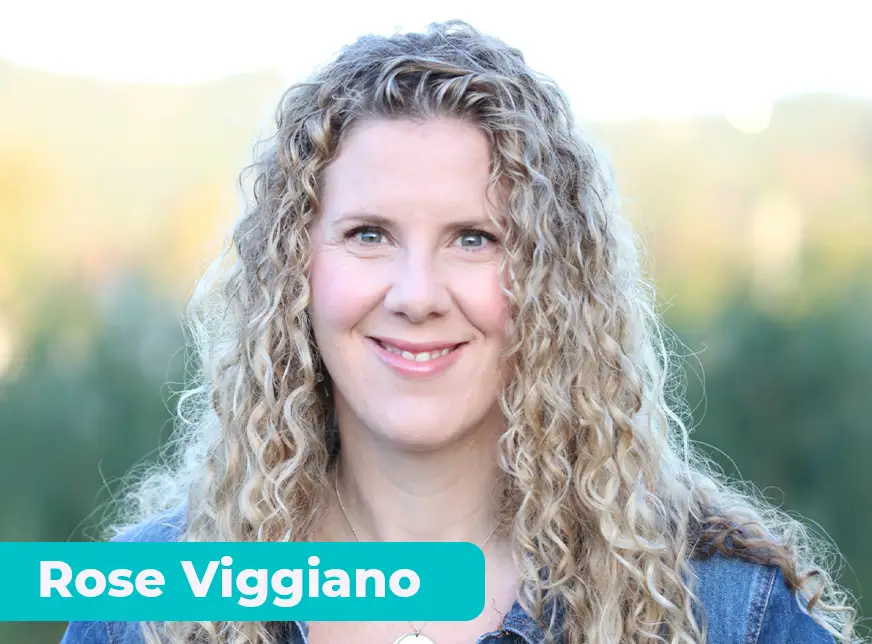
Rose Viggiano
Relationship Coach, Attachment Specialist, Creator of The Awakening Relationships Method
The opposite of addiction is not simply sobriety. It is connection.
Rose Viggiano is a Master Relationship Coach, attachment specialist, and creator of The Awakening Relationships Method, helping individuals and couples heal old wounds, understand the patterns that keep connection feeling difficult, and build relationships that feel secure.
Drawing on nearly 25 years of personal recovery and more than a decade of client work, she helps people understand the attachment patterns that shape their relationships, addictions, and sense of connection.
Rose is a Certified Master Level Relationship Coach, Relational Life Therapy Couples Coach, DARe Practitioner and assistant, and has training in IFS, Compassionate Inquiry, and Somatic Experiencing. Her work combines lived experience, attachment science, and practical tools to help people build secure, connected relationships.
Here’s what’s included…
The Search for Connection
Healing the Roots of Addictive Behaviors
A 3-Session LIVE Course beginning August 5, 2026
Understand what lies beneath addictive and compulsive behavior—and begin building the forms of connection that support sustainable healing.
Your enrollment includes:
- Three 90-minute live and interactive classes
- Live teaching with Rose Viggiano
- Experiential attachment-informed exercises
- Live Q&A with Rose Viggiano
- Optional after-class breakout discussions
- Lifetime access to video recordings
- Downloadable audio and written transcripts
- Presentation slides and handouts
- Addictive and Compulsive Patterns Checklist
- Trauma Symptom Checklist
- Private online course portal
- Access to the original masterclass replay
Reserve your place in the full three-part live workshop, including Q&A, experiential practices, breakout discussions, and lifetime access, for $79.
Enrollment is open until August 4, 2026
Frequently Asked Questions
How can we help you?
Is this an addiction-treatment or recovery program?
No. This is an educational workshop exploring addiction and compulsive behavior through the lenses of attachment, trauma, nervous system regulation, and human connection.
It does not replace medical care, psychotherapy, detoxification, addiction treatment, or crisis support.
If you may be at risk from withdrawal, cannot stop using safely, or are experiencing an immediate crisis, seek help from an appropriate licensed provider or emergency service.
Do I need to identify as an addict to participate?
No. The course uses a broad lens that includes substance use as well as compulsive patterns involving relationships, codependency, food, work, spending, sex, technology, perfectionism, and other behaviors.
You are welcome to participate without applying any particular label to yourself.
Can loved ones participate?
Yes. Partners, parents, adult children, relatives, and friends may gain a clearer understanding of addictive behavior, codependency, boundaries, and the attachment dynamics that can affect everyone involved.
Is this course appropriate for therapists and helping professionals?
Yes. Clinicians, coaches, clergy, and other helping professionals can use the framework to deepen their understanding of attachment, trauma, shame, codependency, nervous system regulation, and compulsive coping.
The workshop is educational and does not provide professional certification or authorization to practice addiction treatment beyond your existing scope.
Do I need previous knowledge of attachment theory?
No. Rose will introduce the core concepts and build the framework progressively across the three sessions.
How long can I access the course materials?
You’ll have lifetime access to ALL training materials, including videos, transcripts, worksheets, resources, and bonuses. You may also download, print, or save materials at any time to your professional reference library for personal use.
Are the class sessions live or pre-recorded?
The three class sessions are live and streamed online with Rose Viggiano.
Each 90-minute session includes teaching, experiential exercises, practical reflection, and time for Q&A. After class, you’ll also have the option to join guided breakout discussions with fellow participants.
Can’t attend live? Every session will be recorded and added to your private learning portal, so you can watch or revisit the material at any time.
What if I can’t make it to the live calls—should I still take this course?
We would love to have you join each session live, but we recognize that you may already have prior commitments. If you’re unable to join us, we do record all sessions and training (including the Q&A), so you can still receive all the information and training you need.
Many of our students are unable to some (or all) of the live sessions and still find the recorded training, plus client demos, additional resources, audio, transcripts and course bonuses to be highly valuable and relevant to their learning goals. Additionally, the course materials are yours to download (other than client demos) and keep in your professional reference library, so you can come back and revisit the material at any time.
Are CE credits available for the course?
No, CE credits are not offered for this live training. However, clinicians and helping professionals may find the framework highly relevant to attachment-informed, trauma-informed, and recovery-supportive work with clients who struggle with addictive or compulsive patterns.
You can request a certificate of completion after the course is done by contacting our friendly Customer Support Team.
I’m having trouble completing the purchase. How can I get support?
If you have additional questions or need technical support, please contact our Customer Support Team for help.
What is the refund policy for the course?
We want you to feel confident exploring the course.
Enroll in The Search for Connection: Healing the Roots of Addictive Behaviors and attend the opening session.
If you don’t feel this training meets your needs, contact our friendly Customer Support Team within 5 days of the first class—on or before August 10, 2026—for a full refund, no questions asked.
For those with financial needs, a limited number of partial scholarships are available.
Please contact our Customer Support Team for further information.
Save Your Spot in the Live Workshop
Join Rose Viggiano for three live and interactive classes featuring teaching, experiential exercises, practical guidance, and Q&A.
All for only
$79
(One-time payment with lifetime access!)
- Three LIVE 90-minute training sessions
- An integrated framework connecting attachment, trauma, and addiction
- Experiential exercises and practical tools for moving from shame toward reconnection
- Private Course Portal with Downloadable Access to Video Recordings, Audio and Transcripts
- No-Risk 100% Money-Back Guarantee
Can’t attend live? All training is recorded and available in your learning portal.
This is the only time this training will be offered live—secure your seat today!